What Is RAG (Retrieval-Augmented Generation)? The Complete Guide
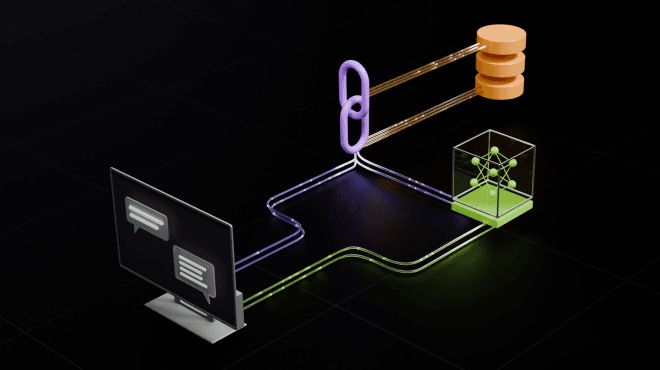
RAG stands for Retrieval-Augmented Generation. It is a technique that makes AI language models smarter by giving them access to external information before they generate a response.
Practical articles on AI implementation, blockchain architecture, cybersecurity, technical SEO, and software engineering — written from 16+ years of hands-on CTO experience building enterprise platforms at Extremoo, CasinoAlpha, and Key Way Group. No theory from textbooks. Real solutions from real projects, real failures, and real results. Whether you're a CTO making architecture decisions, a developer building production systems, or a founder evaluating technology strategy — these articles are written for you.
RAG stands for Retrieval-Augmented Generation. It is a technique that makes AI language models smarter by giving them access to external information before they generate a response.
A fractional CTO is a senior technology executive who provides part-time strategic leadership to companies that need CTO-level expertise without the cost or commitment of a full-time hire. The "fractional" means they work a fraction of a full-time schedule — typically one to three days per week.
This comparison is not written by an affiliate marketer collecting referral commissions from all three platforms; it is written by someone who has actually deployed automated trading systems, measured the results, and can tell you honestly which platform makes sense for which situation – and when none of them will make you money.
A CTO's deep analysis of OpenClaw's architecture, security failures, and what it reveals about production-ready agentic AI systems. Not another setup guide.
The design-to-code handoff has been the most expensive bottleneck in software development for as long as I can remember. Not because it's technically hard - because it's a translation problem. A designer creates a pixel-perfect mockup in Figma. A developer interprets it. They go back and forth for weeks. Spacing is off by 4px. The wrong shade of blue made it into production. The button has 12px padding instead of 16px. Nobody's happy.
After spending years implementing international platforms across multiple regions, I can tell you the problem with hreflang isn't the syntax; it's the decision-making, maintenance, and understanding when you actually need it.
The numbers don't lie. Your server logs contain the truth about how search engines actually interact with your site - not what you hope is happening, but what's really going on. While Google Search Console shows you a sanitized view of crawl activity, your raw server logs reveal the full story: every bot visit, every 404 error, every redirect chain, and every wasted crawl budget opportunity.
Three months into production, a RAG system was hemorrhaging money. $50,000 in monthly API costs, hallucination rates hovering at 15%, and user complaints flooding support channels. The prototype had worked beautifully in testing. In production? Complete disaster.
Modern attacks don't just target application vulnerabilities, they exploit server misconfigurations, weak SSL/TLS implementations, missing security headers, and inadequate access controls. Whether you're running Nginx's event-driven architecture or Apache's battle-tested process model, proper hardening is non-negotiable. The good news? Most critical vulnerabilities can be eliminated with systematic configuration changes that don't require expensive tools or specialized expertise.
The iGaming conference circuit has exploded. What started as small trade gatherings has morphed into a global phenomenon worth billions, where technology isn't just discussed, it's the main event.
The iGaming affiliate marketing space has never been more competitive. With the global market projected to hit $127 billion by 2027 and affiliate marketing driving 30-40% of new customer acquisitions, the stakes are higher than ever. But here's the thing: most affiliate programs are leaving serious money on the table.
The digital battlefield has evolved far beyond traditional cybersecurity concerns. In 2024, Romania experienced one of the most sophisticated hybrid warfare campaigns in modern European history, revealing how nation-state actors now weaponize everything from social media algorithms to mercenary networks to destabilize democratic processes. As technology leaders and cybersecurity professionals, understanding these evolving threats isn't just academic, it's essential for protecting our organizations and democratic institutions.
Showing 1-12 of 58 articles